
UNESCO World Heritage · Pienza, Siena Province, Tuscany
Pienza
The Renaissance ideal city — and gateway to the Gladiator landscape
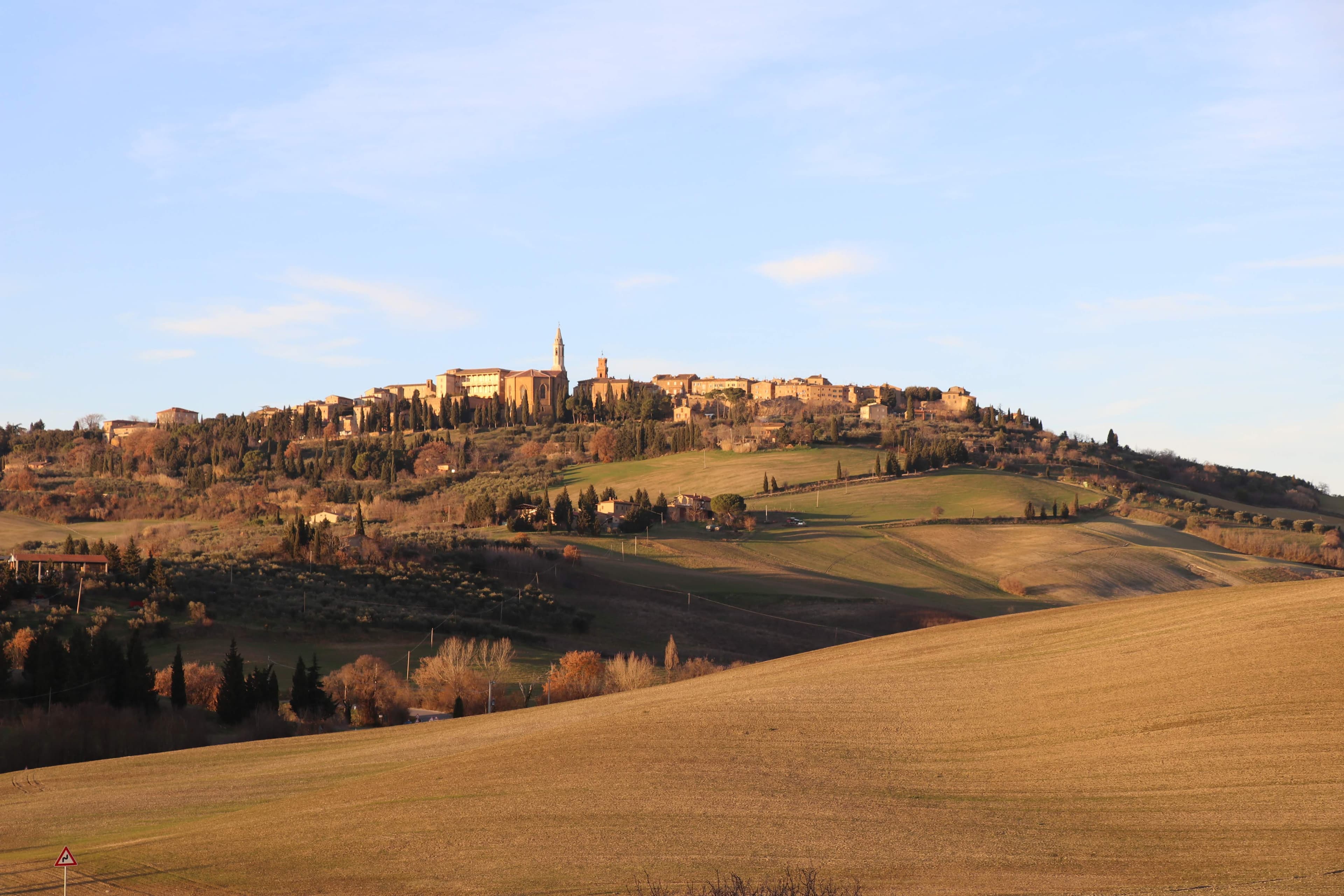
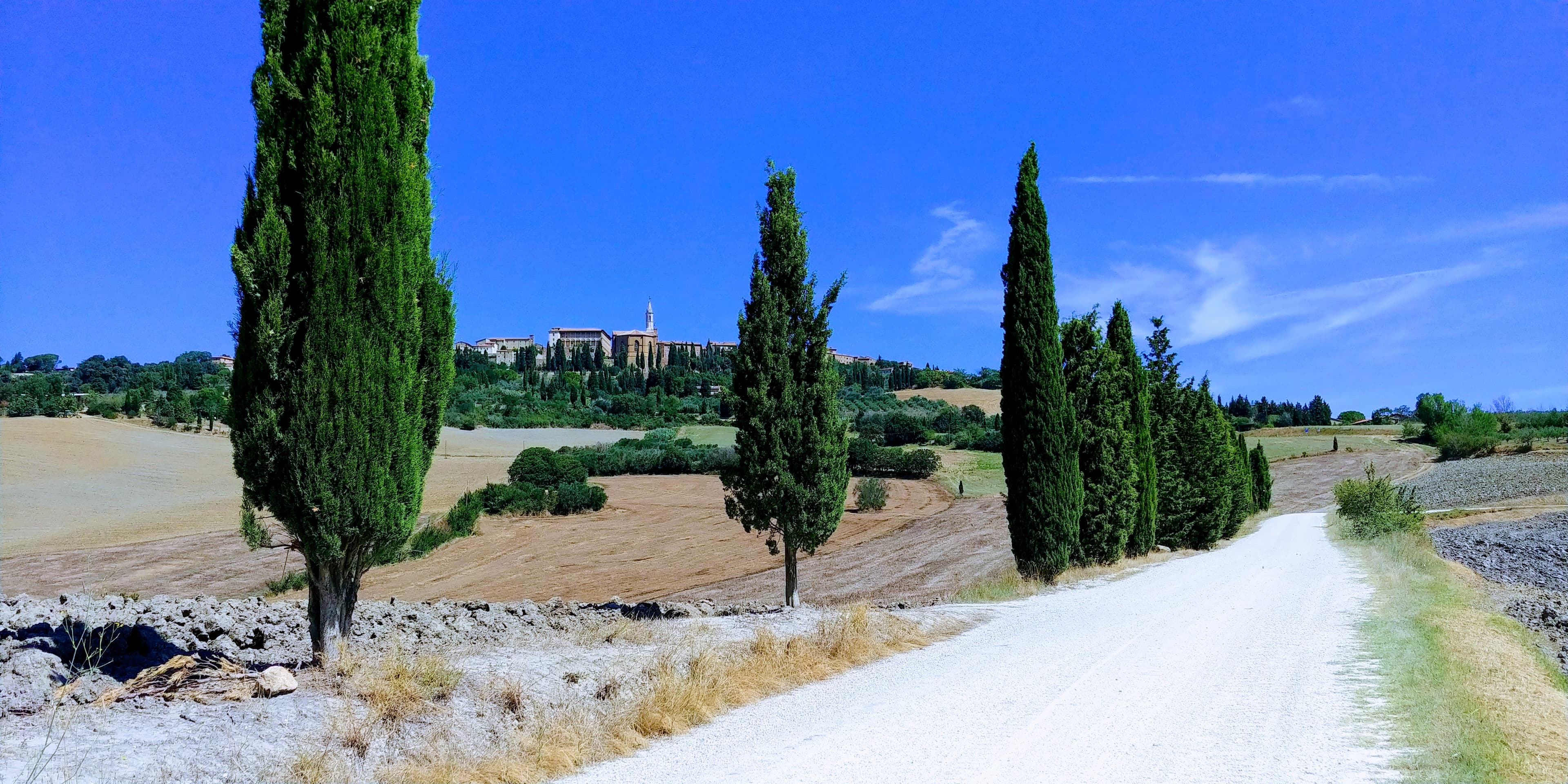
Pienza was not built on empty ground: it grew out of Corsignano, the medieval village where Enea Silvio Piccolomini was born before becoming Pope Pius II. In the mid-15th century he asked Bernardo Rossellino to reshape his native village according to Renaissance ideals. Designated a UNESCO World Heritage Site in 1996, Pienza still offers some of the clearest views across the Val d'Orcia, which became a UNESCO cultural landscape in 2004. Along Corso Rossellino, local shops sell traditional products, above all pecorino di Pienza.
History
Corsignano Transformed by a Pope
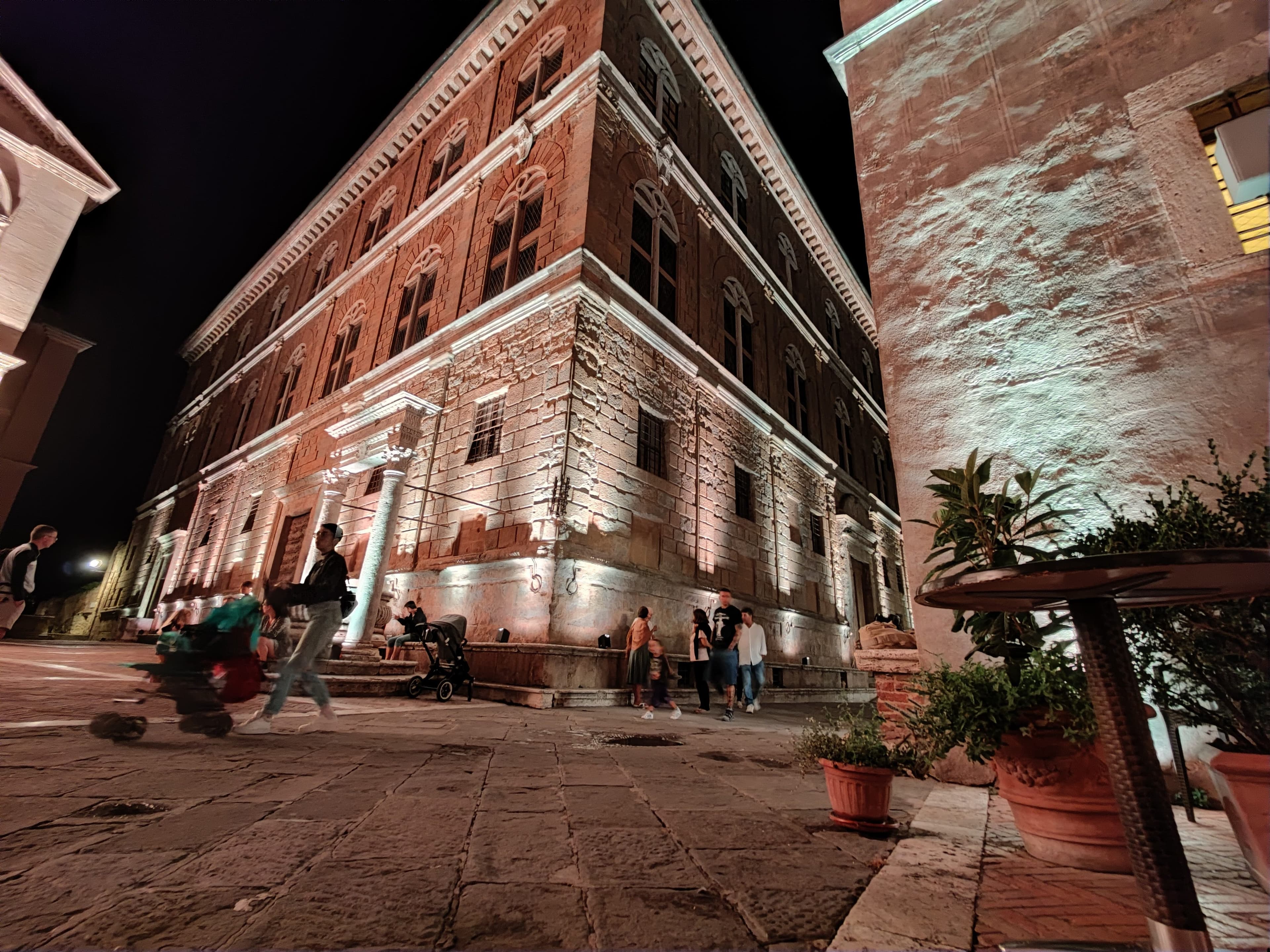
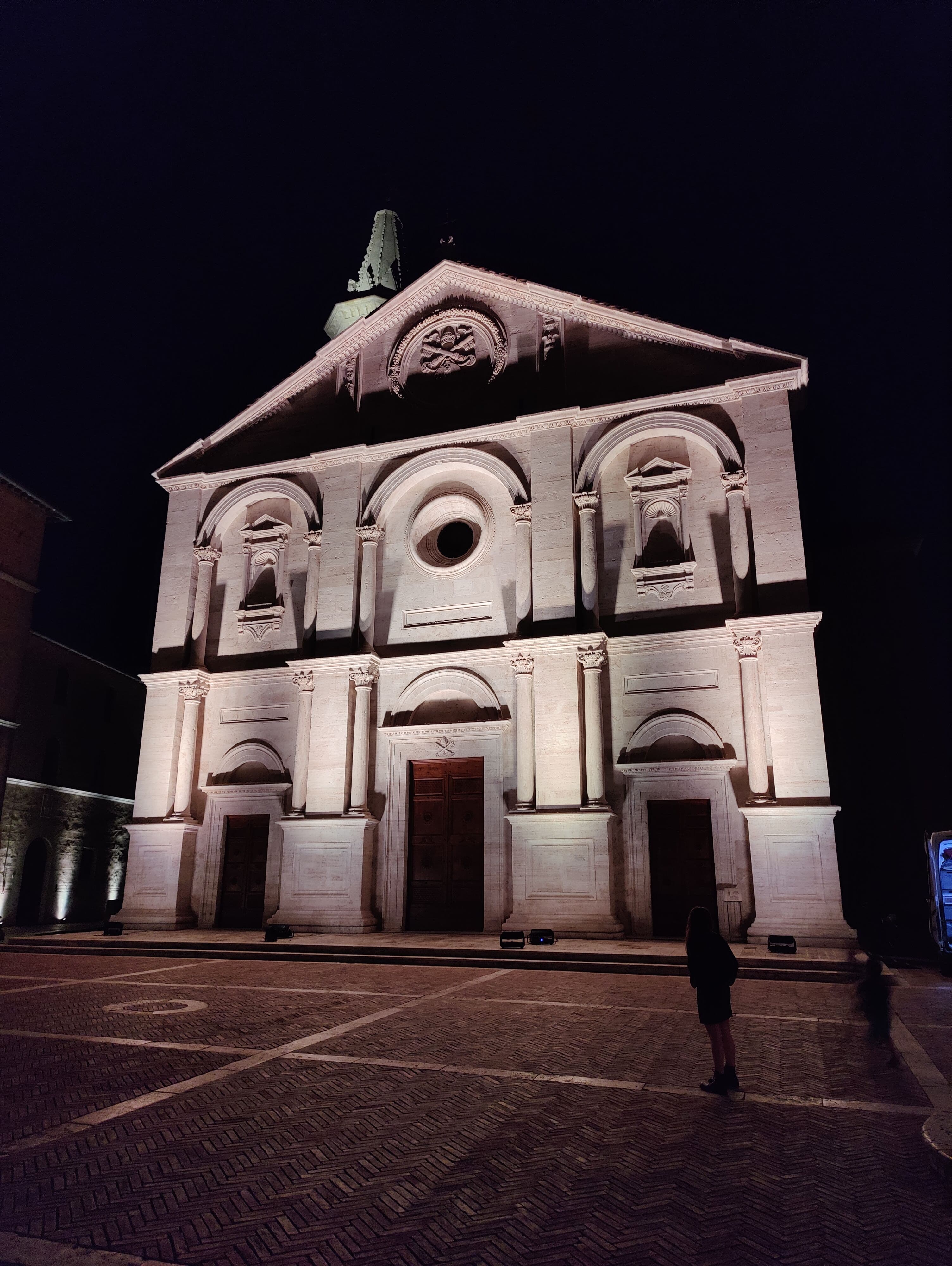
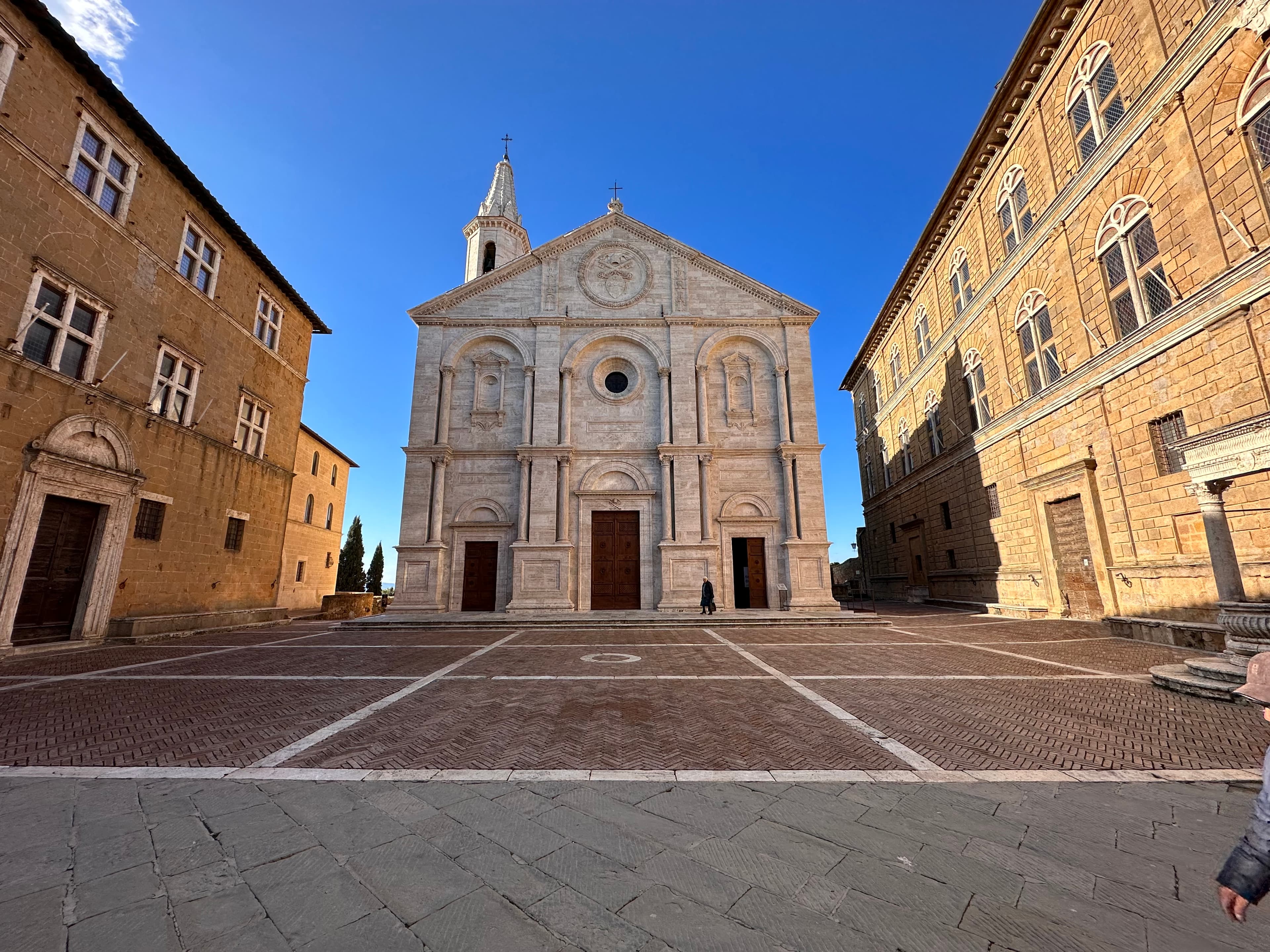
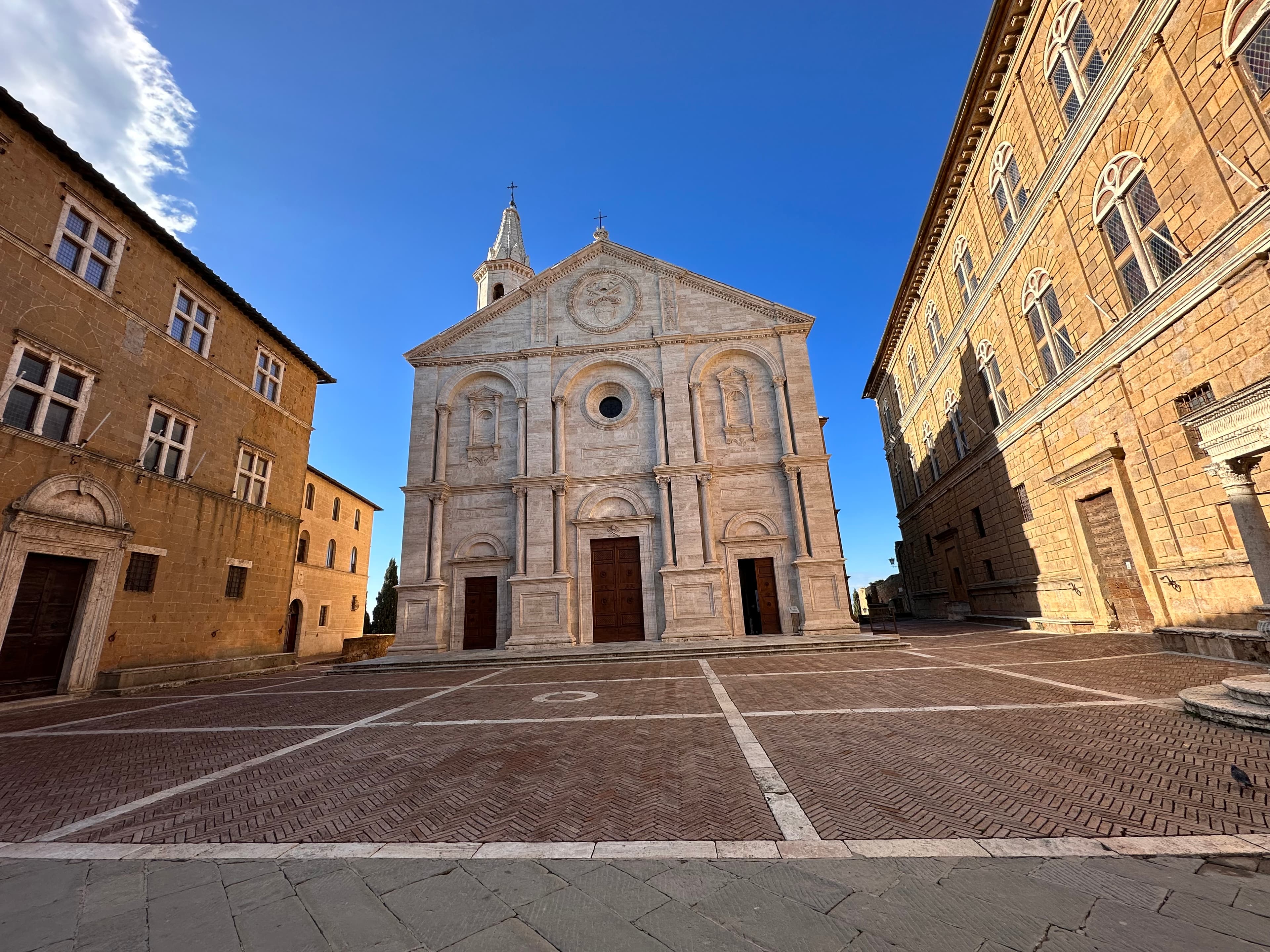
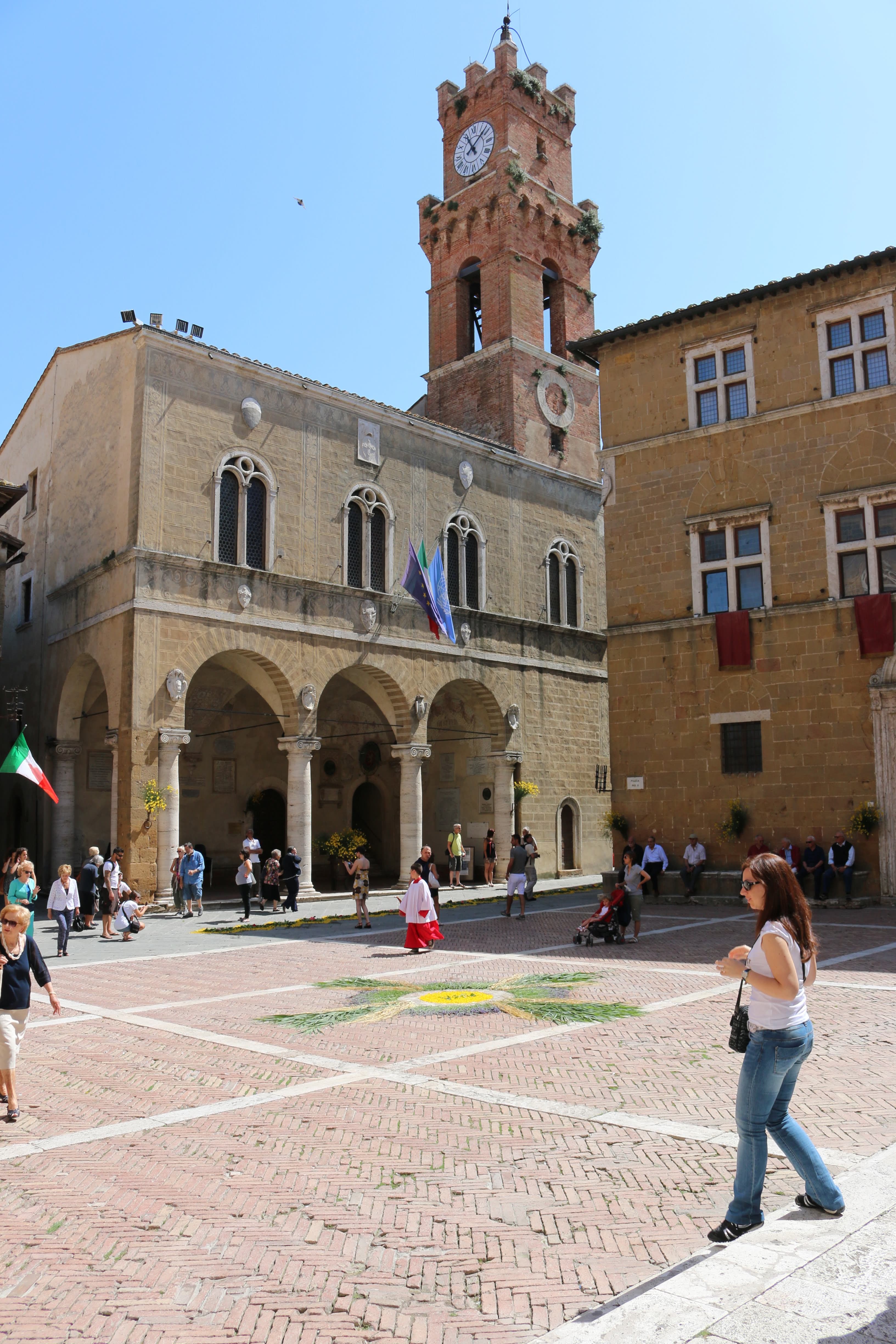
What makes Pienza remarkable is the dialogue between the older medieval village and the Renaissance intervention ordered by Pius II. Rossellino did not erase Corsignano; he gave it a new centre. Piazza Pio II, the Duomo, Palazzo Piccolomini, Palazzo Vescovile and Palazzo Comunale are arranged with a precision that still feels theatrical, especially because the square opens suddenly from the narrow corso. It is one of the clearest surviving expressions of Renaissance urban thought in Italy.
What to See
A Half-Day in Pienza
Piazza Pio II
The main square — framed by the Duomo, Palazzo Piccolomini, Palazzo Vescovile, and Palazzo Comunale. The proportions are exact. Stand in the centre and turn slowly: every angle was designed.
Duomo di Pienza
Commissioned by Pius II and consecrated in 1462. The facade is Renaissance, while the interior keeps the luminous proportions of a hall church. Behind the Duomo, the panoramic walk opens toward the Val d'Orcia and Monte Amiata.
Palazzo Piccolomini
The papal palace, open for guided tours. Three floors of Renaissance state rooms, a garden on the south side, and a loggia with views over the clay hills. This is the Piccolomini family's ancestral home.
Corso Rossellino
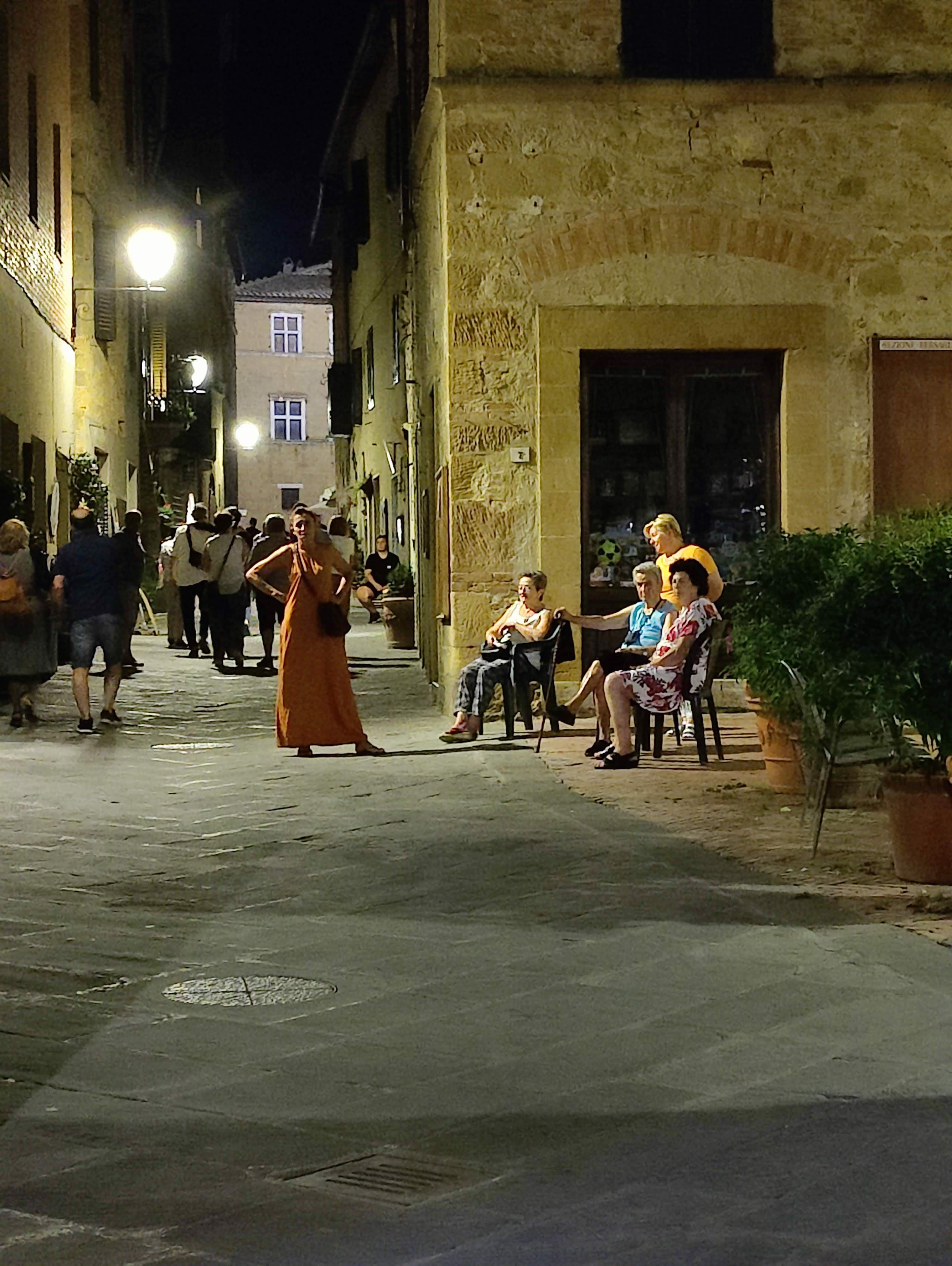
The main street running from the medieval gate to the piazza. Both sides are lined with shops selling pecorino di Pienza, local honey, truffles, and olive oil. This is where to stop for lunch — several good restaurants and a famous gelateria.
The Panoramic Walk
Follow the path behind the Duomo and along the southern edge of town. From here the view opens over the clay hills, farm roads, Monte Amiata and the countryside that leads down toward Terrapille.
Pecorino di Pienza
The Cheese That Defines the Town
Pienza's most famous product is its sheep's milk cheese — pecorino di Pienza. Unlike the harder, sharper Pecorino Romano from Lazio, the Pienza version is softer, creamier, and comes in variations aged in walnut leaves, rubbed with olive oil, or matured in wine. Every shop on the Corso sells it. The best approach: taste before you buy. Most shops offer samples. The semi-aged (semi-stagionato) version is the most versatile; the fully aged (stagionato) is intense and crumbles beautifully over pasta.
Practical Information
- Location
- Pienza (SI), Val d'Orcia, Tuscany — 52 km south of Siena
- GPS
- 43.0766° N, 11.6791° E
- Gladiator Field
- Below Pienza toward Terrapille; reach it on foot from town, not by stopping on roadside verges
- From Siena
- 52 km (about 1 hour)
- Parking
- Viale Santa Caterina car park (free) outside the walls; ZTL inside
- Duomo hours
- Opening times vary by season — check locally before planning around entry
- Market day
- Friday morning (small market outside the walls)
Gallery
Plan the whole valley
Build this stop into your itinerary
See how to combine Pienza, the Gladiator locations, villages, thermal sites and abbeys without rushing.