Historic Estate · Gardens · Crete Senesi, Val d'Orcia
La Foce
Cecil Pinsent’s gardens and the story of Iris Origo
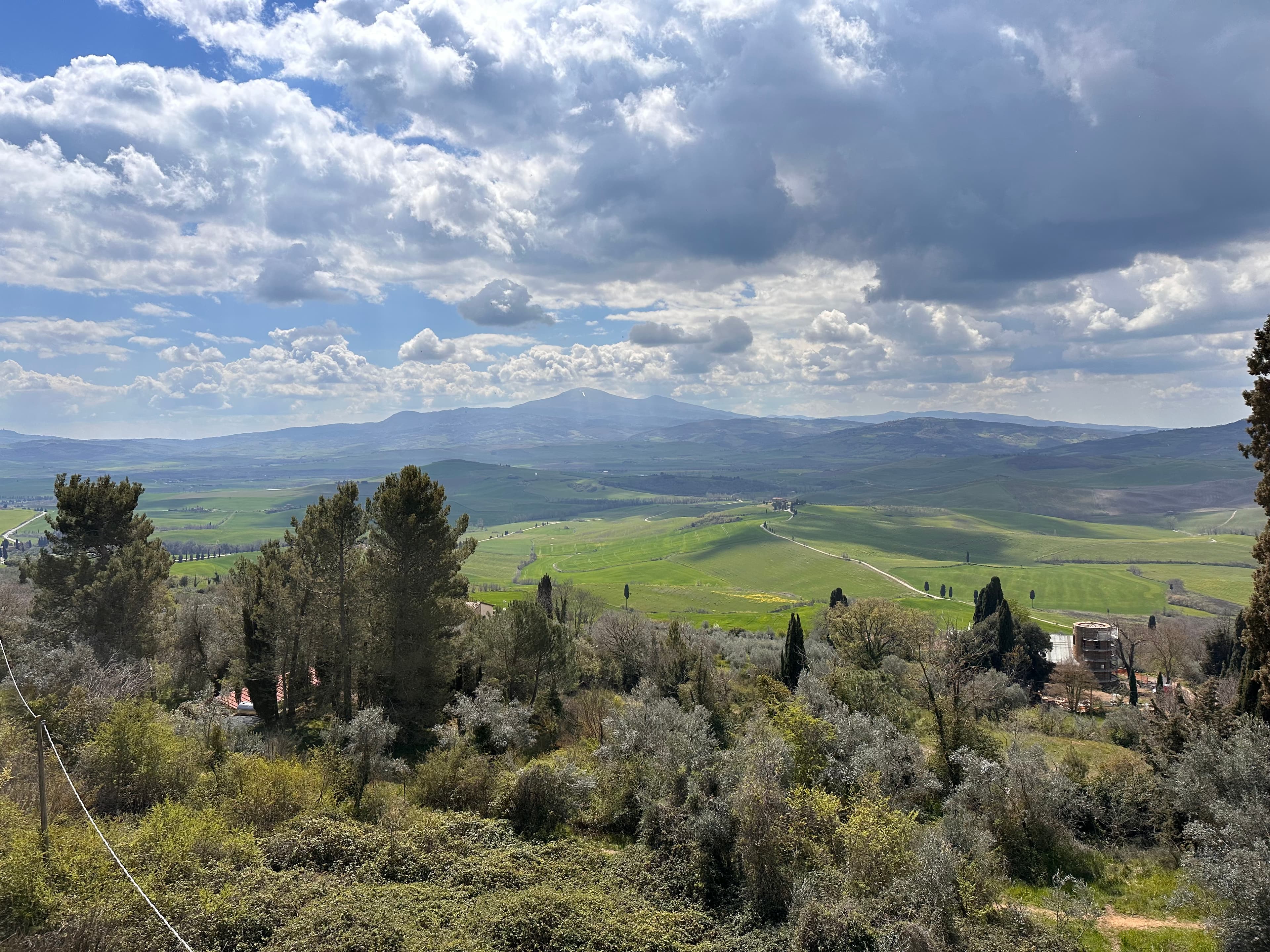
La Foce is an estate in the hills of Chianciano Terme overlooking the Val d’Orcia. Purchased by Antonio and Iris Origo in 1924, it brings together the history of a working estate and gardens designed by Cecil Pinsent.
The Cypress Road
Cypresses and the farming landscape
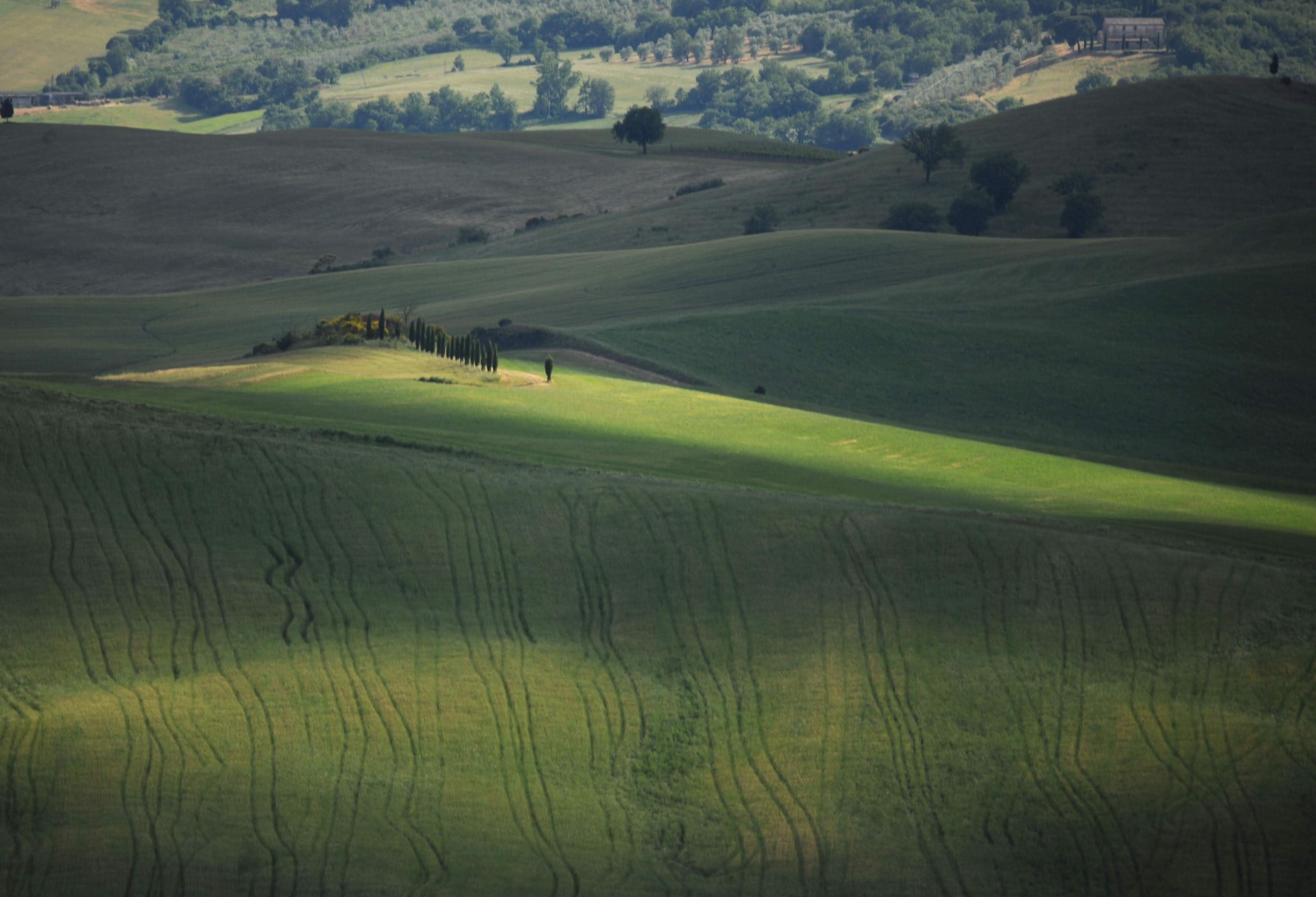
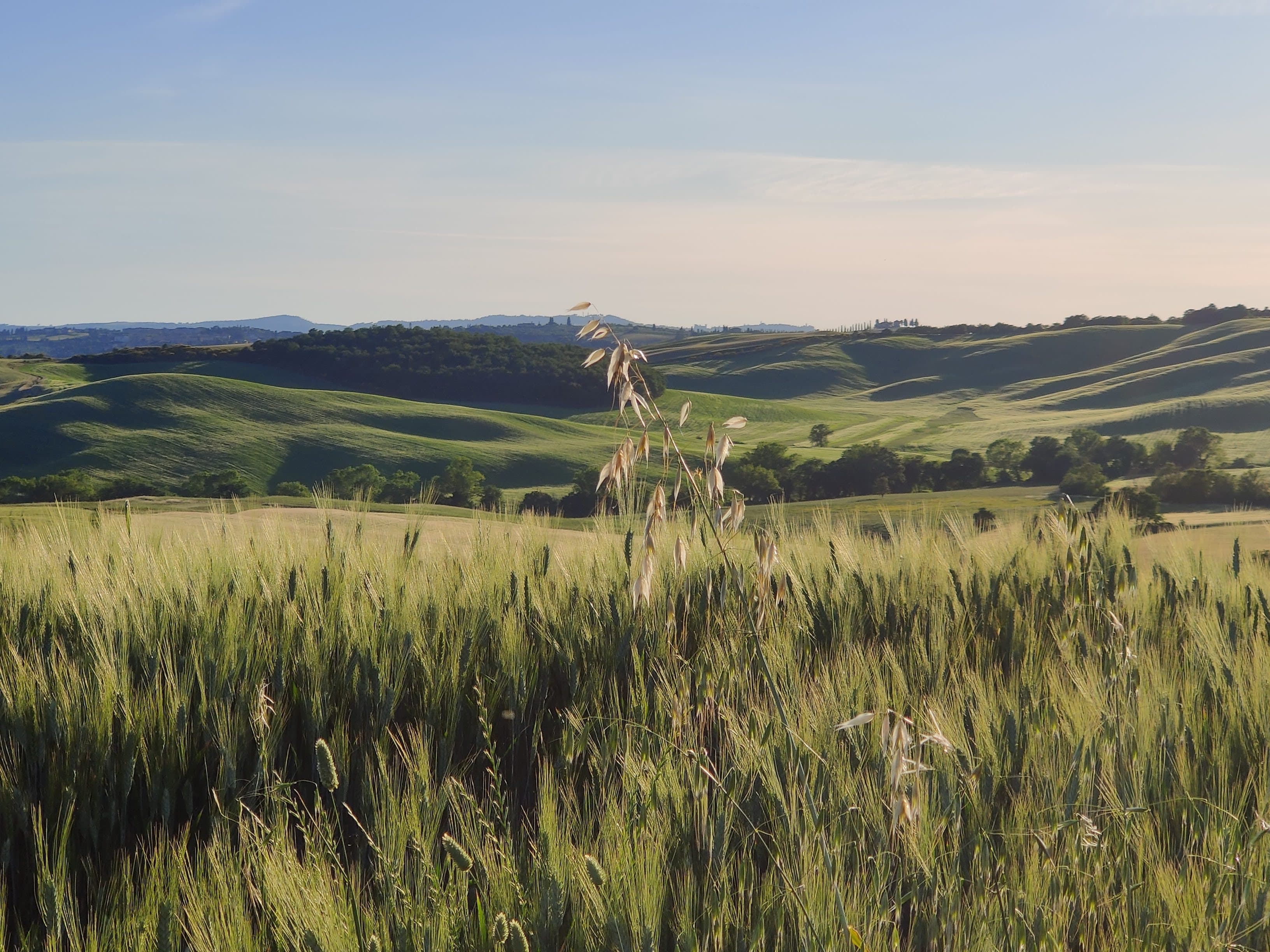
Cypress rows and farm roads shape the landscape around the estate. Do not assume they are public routes or entrances to the villa: follow the official visitor directions to Strada della Vittoria 61. Respect gates, crops and access restrictions.
Iris Origo
A Writer Who Stayed
Iris Origo described her life and the war years in works including “Images and Shadows” and “War in Val d’Orcia”. Her books offer a perspective on the estate and its rural community. Iris and Antonio are buried in the family cemetery, linked to the garden by a woodland path; do not assume it is included in the tour.
The Gardens
Cecil Pinsent's Terraced Masterpiece
Cecil Pinsent designed the garden, developed between 1925 and 1939. Box hedges, potted lemon trees and terraces frame views of the valley. Access is by guided tour with mandatory advance booking. Check the official calendar for dates, tickets and closures for private events.
Practical Information
- Address
- Strada della Vittoria 61, Chianciano Terme (SI)
- Visitor entrance GPS
- 43.024383° N, 11.779500° E
- Access
- Guided tour with mandatory advance booking; calendar and prices on the official website.
- Plan your visit
- Check your route, permitted parking and opening times before leaving; journey times depend on your starting point and local conditions.
- Official source
- Information and contacts
Gallery