
Plan Your Visit
Visit the Val d'Orcia
The landscape Ridley Scott chose for Gladiator (2000) is real — real hills, working farms and protected cultural scenery. This guide covers the five municipalities of the UNESCO Val d'Orcia landscape and selected destinations in the surrounding area, from film locations and medieval villages to thermal sites and abbeys.
Gladiator Locations
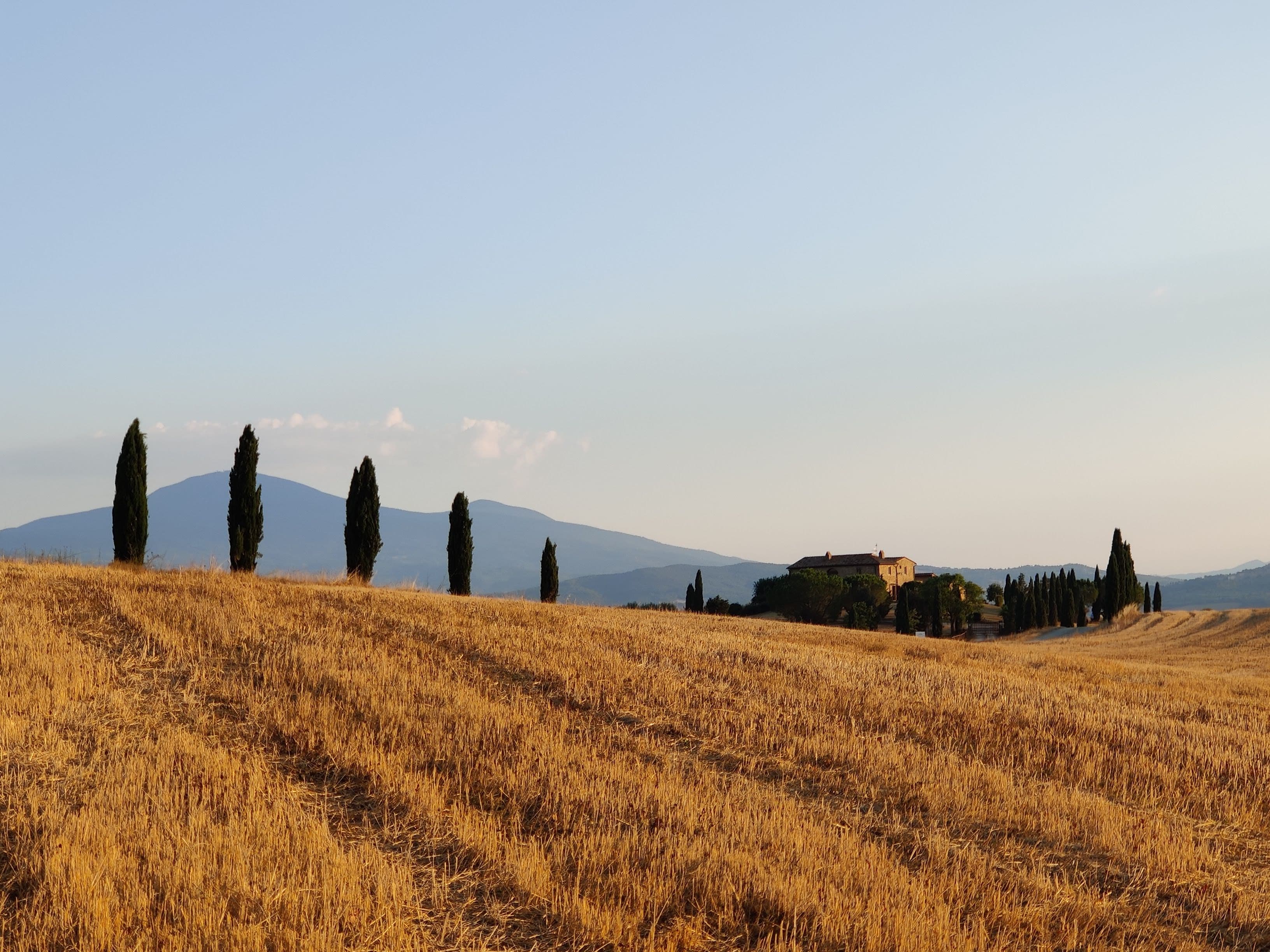
Pienza (SI)
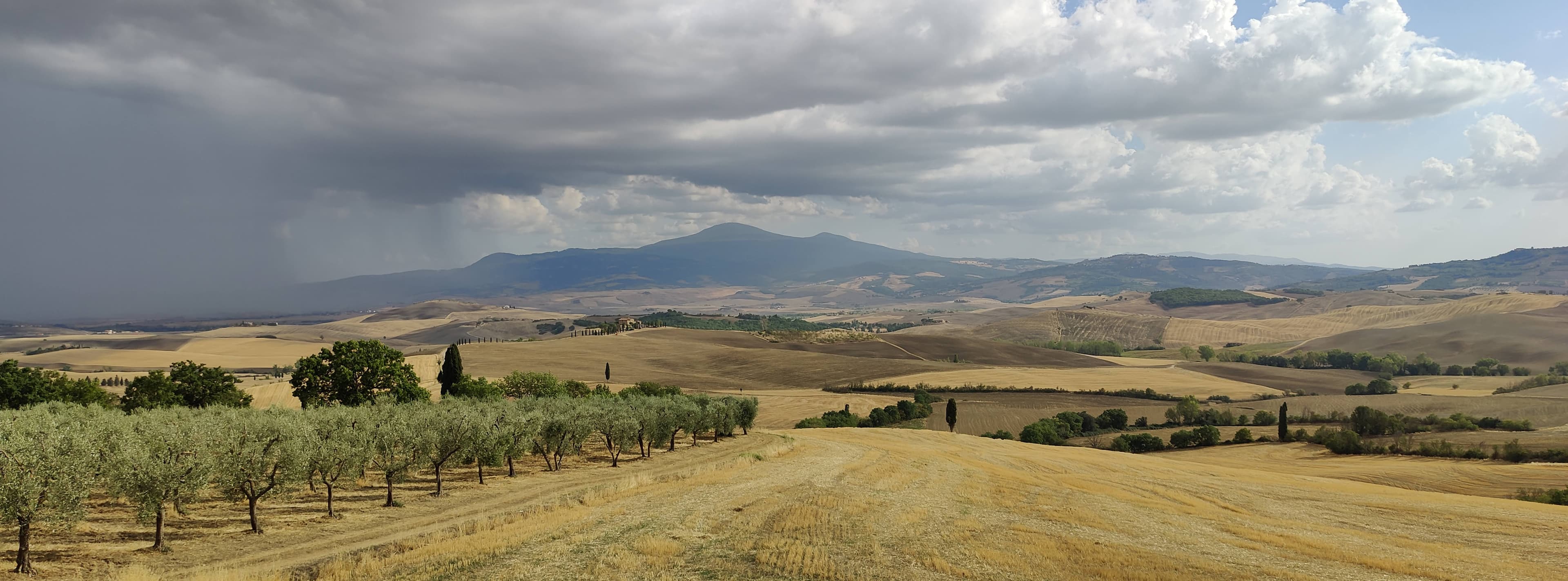
The Gladiator Field
The iconic wheat field from Maximus's visions of home and the film's final Elysian Fields sequence — best experienced on foot at dawn or dusk.
Explore the Field →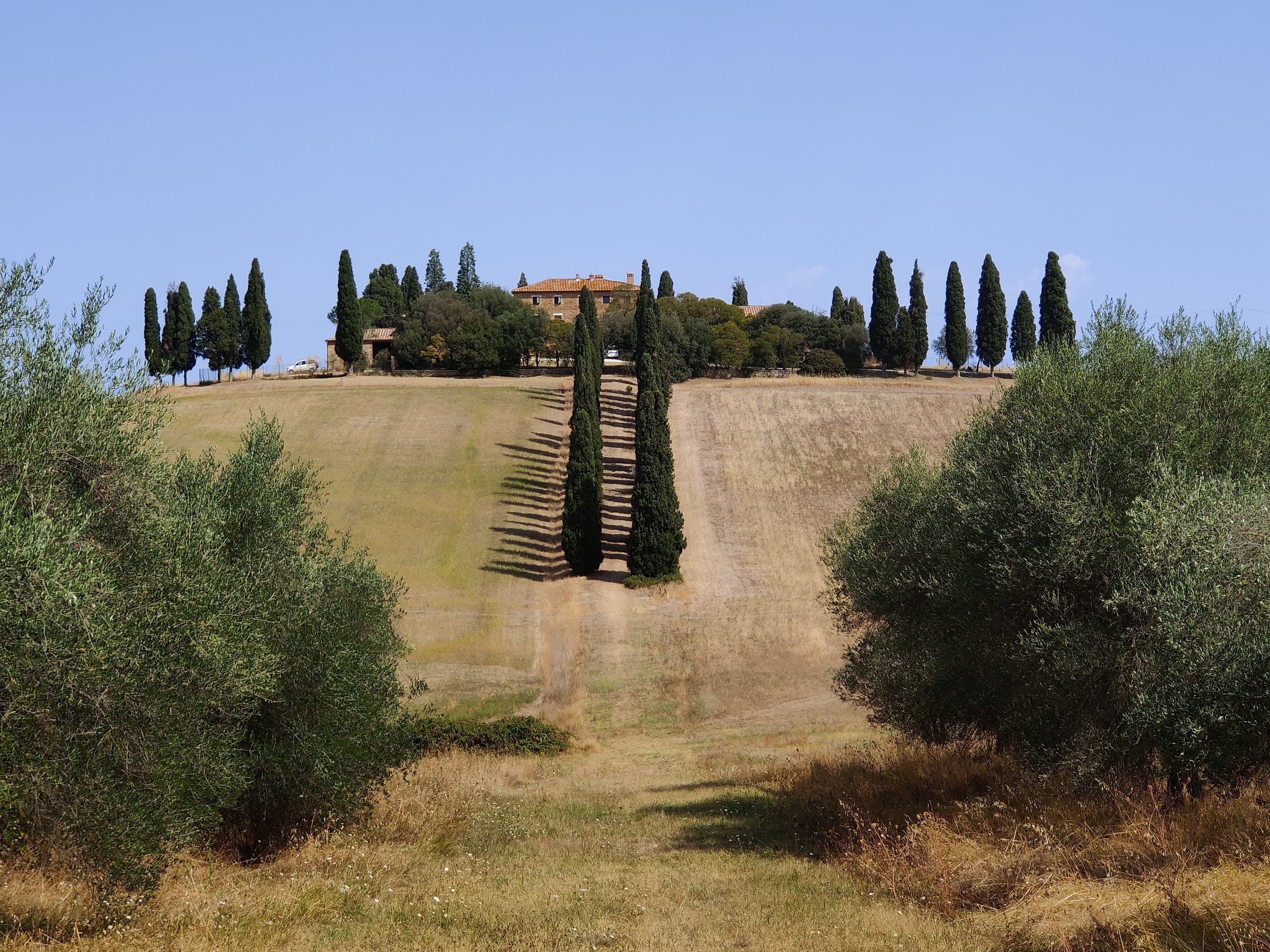
San Quirico d'Orcia
The Villa Location
The rural villa used for the General's home scenes. Still standing among cypress and olive groves.
See the Villa →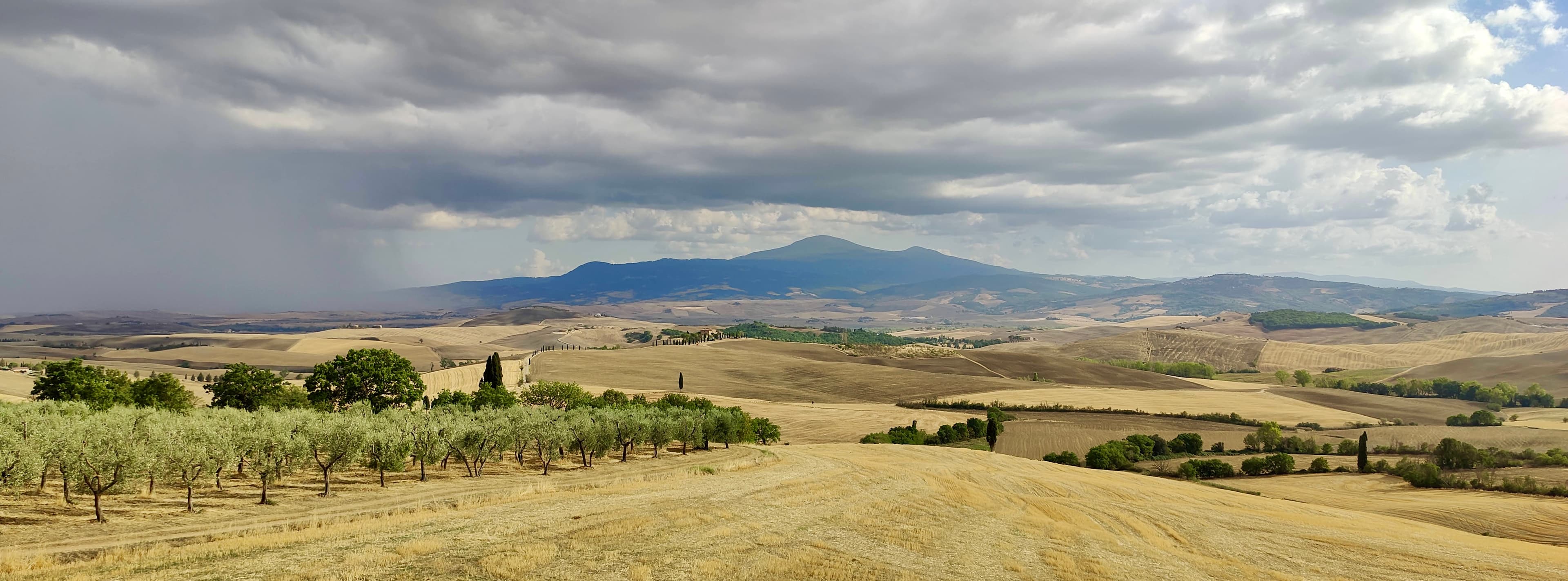
UNESCO World Heritage
Val d'Orcia Guide
The complete guide to the valley — Pienza, Montalcino, Cappella di Vitaleta, Bagno Vignoni and beyond.
Read the Guide →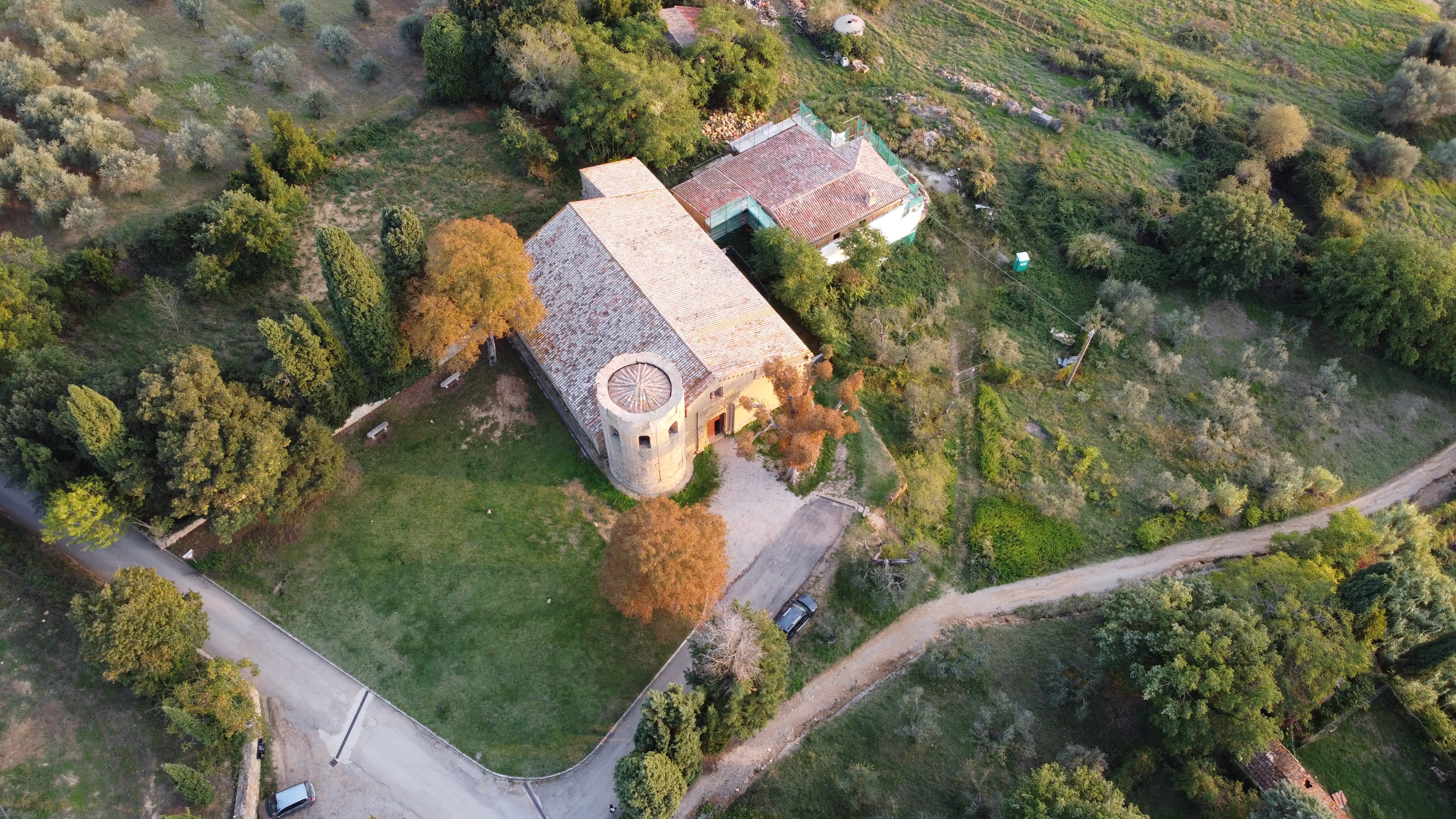
Small groups · Private
Guided Experiences
Dawn photography walks, film-location half-days with a local historian, wine and landscape evenings.
See Experiences →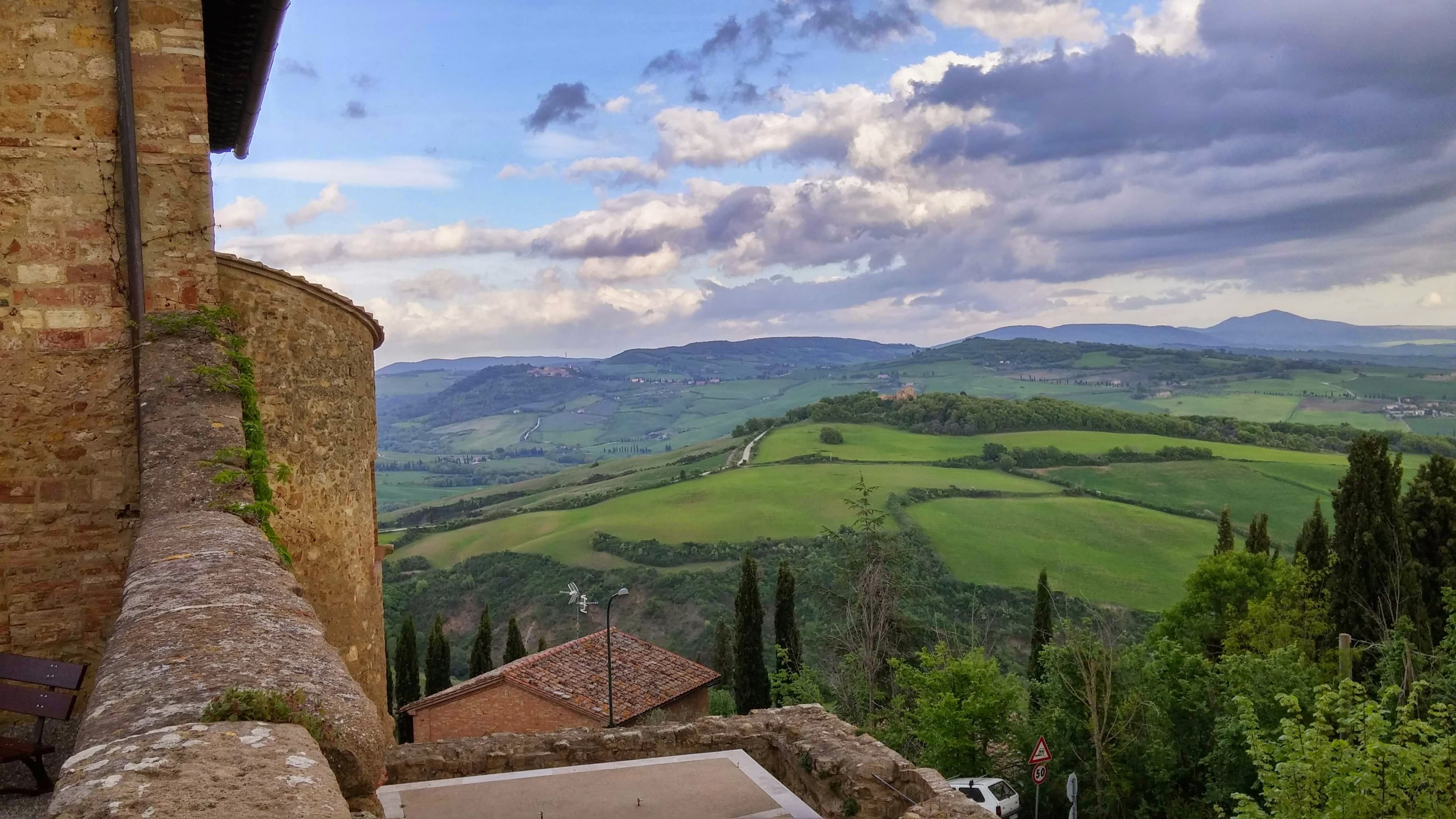
From Siena, Roma, Firenze
How to Get Here
Pienza is 2 hours from Rome and 1.5 hours from Florence. Parking, cycling routes, local connections.
Getting Here →The filming locations at a glance
All major Gladiator locations within 20 km of Pienza.
Google Maps · 3MG9+26 · 43.0750484, 11.6681138
Campo di Terrapille · Pienza
Discover the Valley
Explore the UNESCO Val d'Orcia and selected destinations in the surrounding territory, all within about an hour of Pienza.
Medieval Villages
Borghi
Hill towns, walled villages and fortress settlements that have shaped the Val d'Orcia since the Middle Ages.
Pienza
Pope Pius II's ideal Renaissance city — Duomo, pecorino, views
San Quirico d'Orcia
Via Francigena hub with a superb Romanesque collegiata
Montepulciano
Vino Nobile, Piazza Grande and underground tufa cantinas
Montalcino
Brunello di Montalcino and the fortress of the last Sienese republic
Monticchiello
Walled medieval village with the Teatro Povero community theatre
Buonconvento
Complete medieval brick town on the Via Cassia, Museo d'Arte Sacra
Radicofani
Volcanic cone fortress town — Ghino di Tacco, 896 m views to the sea
Iconic Landscapes
Luoghi Iconici
The images that define the Val d'Orcia — cypress chapels, winding roads, ancient abbeys glowing in morning light.
Cappella di Vitaleta
Two rows of cypresses converging on a hilltop chapel
I Cipressini
A compact group of cypresses on a rounded clay hill near San Quirico
La Foce
Iris Origo's estate, the winding cypress road, Cecil Pinsent gardens
Castello di Spedaletto
Medieval castle-hospice south-east of Pienza, wine and agriturismo
Abbazia di Sant'Antimo
Romanesque abbey in pale stone below Montalcino
Sant'Anna in Camprena
Sodoma frescoes and the cloister from The English Patient (1996)
Pieve di Corsignano
Romanesque church below Pienza, tied to old Corsignano and Pius II
Thermal Sites
Terme & Natura
The volcanic geology around the Val d'Orcia and Monte Amiata produces historic and natural thermal sites. Bathing and access rules differ at each location.
Monte Amiata
Verso l'Amiata
The volcanic cone of Monte Amiata dominates the southern horizon — ancient forests, chestnut groves, and fortress villages on its slopes.
Castiglione d'Orcia
Medieval loggia, 14th-c fountain, Pietro Lorenzetti altarpiece
Rocca d'Orcia
30 stone houses beneath the Rocca di Tentennano — one trattoria, absolute silence
Vivo d'Orcia
Ancient chestnut forest, the Ermicciolo spring, Camaldolese hermitage
Campiglia d'Orcia
High mountain village with full valley views and Monte Amiata hiking trails
Contignano
A quiet village between the Val d'Orcia clay hills and Monte Amiata forest
Hidden Gems
Perle Nascoste
Places almost no guidebook mentions — for those who prefer to arrive somewhere real rather than somewhere prepared.
Lucignanello Bandini
A tiny medieval hamlet in the Crete Senesi that almost no one knows exists
Castelmuzio
Walled village on a clay hilltop — free entry, no tour buses, total quiet
Petroio
The terracotta village — five centuries of fired-clay tradition still alive
Montisi
Medieval tower, contemporary art in a converted granary, no crowds
Castelluccio
A farmstead hamlet where the worked Tuscan landscape is the attraction